- Energy-efficient windows can lead to substantial reductions in energy usage and lower utility costs.
- The latest window technologies are engineered for improved insulation and greater year-round home comfort.
- Expert installation and proactive maintenance are critical for long-term window performance and durability.
Table of Contents
- Benefits of Energy-Efficient Windows
- Latest Technologies in Energy-Efficient Windows
- Choosing the Right Windows for Your Home
- Installation and Maintenance Tips
- Financial Incentives and Rebates
- Conclusion
Making the switch to energy-efficient windows is more than just a home improvement project. It is a strategic investment that pays dividends by creating a more comfortable living space and lowering energy expenses year after year. Homeowners in colder or more variable climates can especially appreciate the benefits — those living in the region and interested in upgrading can explore new White Mountains windows for increased efficiency and lasting value for their properties.
Today’s advanced window designs go beyond aesthetics to offer real energy performance, harnessing innovative technologies to cut energy waste and keep your home’s environment consistently comfortable. Whether you are interested in reducing monthly utility bills, eliminating drafts, or boosting home resale value, upgrading your windows is a proven solution.
In this article, you will discover the key benefits of energy-efficient windows, explore the most recent window technologies, learn critical selection criteria, and understand the importance of proper installation. Homeowners will also find information about financial incentives to make the transition easier and more affordable.
Ultimately, investing in energy-efficient windows is not just about saving money. It is also a significant step toward sustainability and environmental stewardship, both of which are increasingly important to many families and communities.
Benefits of Energy-Efficient Windows
Energy-efficient windows provide significant benefits in reducing energy loss, enhancing home comfort, and increasing property value. Upgrading from older, single-pane windows to modern, high-performance options, such as ENERGY STAR-certified models, can reduce heating and cooling costs by up to 13%, translating into potential savings of about $465 annually when replacing 15 windows. These windows create draft-free environments and maintain stable indoor temperatures, contributing to a pleasant atmosphere year-round. Additionally, their energy-efficient features are appealing to prospective homebuyers, making upgraded windows a valuable investment that can differentiate a property in the market.
Latest Technologies in Energy-Efficient Windows
The window industry has made significant strides in performance, convenience, and durability. Here are some top innovations:
- Triple-Pane Fiberglass Windows: Using three layers of glass, these windows deliver dramatically improved insulation. Their exceptionally low U-factors are excellent in harsh climates and can shave $200 to $500 off annual heating costs for some households.
- Smart Electrochromic Windows: Sometimes called “dynamic” or “living” windows, these feature adjustable tints that prevent heat gain on sunny days and maximize natural light in cooler conditions. By automatically regulating the solar heat gain coefficient, they help lower cooling costs by $250 to $600 per year, depending on local climate.
- Quadruple Glazing: With four glass panes separated by insulating layers, this advanced option delivers industry-leading energy retention. The result is maximum comfort and thermal performance for the most demanding environments.
Choosing the Right Windows for Your Home
Selecting the best windows for your property involves balancing efficiency, durability, and aesthetics. Consider the following selection criteria:
- Climate Matching: Windows with the right U-factor and solar heat gain coefficient (SHGC) tailored to your regional requirements can maximize both efficiency and comfort.
- Frame Material: Fiberglass frames are a leading choice for their strength, low maintenance, and superior insulation.
- Glazing and Coatings: Double- or triple-glazing, especially when paired with low-emissivity coatings, provides a significant improvement in preventing unwanted heat transfer and loss.
Installation and Maintenance Tips
Getting the best possible performance from new windows starts with professional installation. Improper installation can lead to air leaks, drafts, and lost efficiency, so always work with experienced, certified installers for the job. Routine maintenance is equally important: regularly clean window panes, inspect seals and weatherstripping, and address any minor repairs promptly to ensure your investment lasts as long as possible and operates efficiently year after year.
Financial Incentives and Rebates
To encourage upgrades, several incentive programs help offset the cost of advanced windows. The federal government currently offers a 30 percent tax credit, up to $600, on ENERGY STAR Most Efficient residential windows. In addition to national programs, many local utilities offer rebates that vary by area. Homeowners can search state and municipal incentive databases or consult local utility providers for details on available opportunities and eligibility.
Conclusion
Energy-efficient window upgrades do more than improve curb appeal or comfort. They represent a long-term investment that benefits your wallet, your property value, and the broader environment. With new technologies, expert installation, and notable financial incentives now available, making the change is more attainable than ever. Take advantage of these advances to create a more comfortable, budget-friendly living space for years to come.
]]>When pool chemicals are not properly managed, they can release irritants into the air. These airborne byproducts may go unnoticed at first, but over time they can create discomfort for swimmers and those relaxing poolside. Understanding how pool care connects to air quality helps homeowners create a safer, more enjoyable environment.
How Air Quality Issues Develop Around Pools
Pool safety discussions often focus on visible concerns such as slips, falls, or water depth. However, chemical reactions occurring in the water can also affect the air, especially in indoor pools or outdoor areas with limited airflow.
Several factors commonly contribute to poor air quality:
Excess chlorine
Chlorine is essential for sanitation, but too much of it can produce strong fumes. These vapors may irritate the lungs and cause coughing, wheezing, or chest tightness. Children, individuals with asthma, and those sensitive to chemical smells are often the most affected.
Inadequate airflow
Even properly balanced pools can develop air quality issues if ventilation is lacking. Disinfectant byproducts can become trapped in enclosed or partially covered spaces, allowing irritants to linger longer than they should.
Chemical residue in plumbing
Over time, plumbing systems can retain chemical buildup. Older PVC piping in particular may hold residue that releases odors or irritants when water temperature or flow changes. Choosing chemical compatible fittings and maintaining clean circulation lines helps reduce this risk.
Warning Signs to Watch For
Your senses often provide early clues that something may be off. Cloudy or foamy water can signal chemical imbalance. A strong chlorine smell usually points to chloramines rather than clean, effective chlorine. Complaints of burning eyes, sore throats, or persistent coughing from swimmers are also signs that air quality may be compromised.
Ways to Improve Air Quality Around Your Pool
Maintaining a healthy pool environment involves more than testing the water. A comprehensive approach supports both water and air quality.
Improve plumbing and chemical circulation
Regularly flush plumbing lines to prevent chemical buildup. Use chemical resistant fittings such as Class 125 components. Make sure chemical feeders distribute treatments evenly through the circulation system.
Keep water chemistry in balance
Maintain pH levels between 7.2 and 7.8. Keep chlorine between 1 and 3 ppm. Inspect plumbing and equipment before peak swimming season to address issues early.
Enhance airflow and ventilation
Use dehumidifiers in indoor or enclosed pool areas. Encourage natural air movement with fans or open designs. Check that ventilation and exhaust systems are functioning properly and consistently.
Healthy Pools Depend on Clean Air Too
A pool should add comfort and enjoyment to your home, not create hidden health concerns. While clear water is important, the air around the pool plays an equally important role in overall comfort and safety. With regular maintenance, balanced chemistry, and proper airflow, you can protect both swimmers and guests.
By considering what is happening in the air as well as in the water, you help ensure your pool remains a refreshing and welcoming space for everyone who uses it.
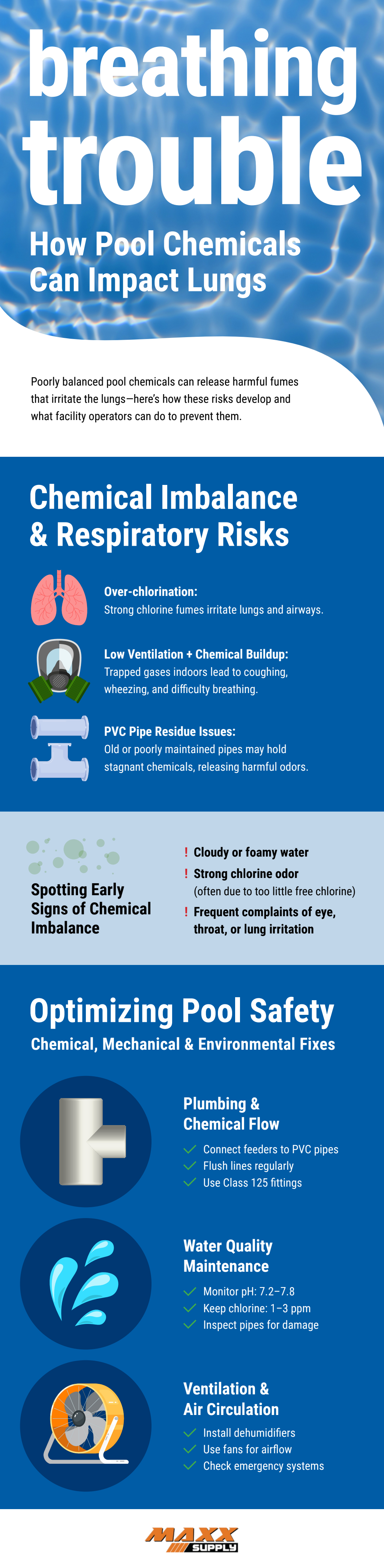
For more on this, check out the infographic below from Maxx Supply, a supplier of PVC gate valves.
 ]]>
]]>Make the Most of the Layout
Efficient use of space is essential in a family bathroom. A double vanity is one of the best ways to speed things up in the morning, letting more than one person use the sink at once. For storage, vertical solutions like floating shelves and wall hooks keep items tidy and accessible. Hooks placed at child-friendly heights make it easy for kids to hang their towels, while labeled containers or baskets can simplify cleanup and encourage responsibility.
Safety Comes First
When little ones or older adults use the bathroom, safety becomes a major concern. Choosing slip-resistant flooring materials, such as matte tiles or safety vinyl, is a smart way to help prevent falls. Placing non-slip mats in high-traffic areas—like near the tub and sink—adds another layer of protection and comfort.
Add Personality for the Kids
There’s room for creativity in a family bathroom too. Making the space more appealing to children doesn’t require a full remodel—removable wall decals, colorful rugs, or themed accessories can make it more playful. Small touches like a step stool with hidden storage can give kids more independence while keeping essentials close at hand.
Prioritize Practical Fixtures
Look for features that offer convenience across age groups. A handheld showerhead, for example, can simplify bathing toddlers or assist family members with limited mobility. Consider installing fold-down benches in the shower for added support, and motion-sensor lighting to make nighttime trips safer and more efficient.
Design That Grows With Your Family
The best family bathrooms are designed to evolve over time. Choose timeless finishes and neutral color palettes, then add visual interest through interchangeable accents. This allows you to keep the space feeling fresh without a complete overhaul as your family’s needs change.
Final Thoughts
A family-friendly bathroom is more than just a functional room—it’s a shared environment where thoughtful planning can improve daily routines and support all members of the household. With the right blend of safety, convenience, and style, it’s possible to create a bathroom that’s as practical as it is inviting.
 ]]>
]]>The flooring industry has embraced innovation, developing products that blend functionality with trend-setting finishes. Advancements in technology, eco-conscious material sourcing, and creative design techniques have opened up new possibilities for both residential and commercial environments. Whether the goal is to create intimacy in a small room or to improve acoustic comfort in a bustling office, today’s flooring options cater to every requirement—making the task of choosing a solution both exciting and rewarding.
Advancements in Flooring Technology
Technological progress is driving significant improvements in the flooring industry. One notable development is the emergence of layered materials that combine diverse visual elements with superior durability. A prime example is Tarkett’s Layered Duality collection, which utilizes unique forms, textures, and hues to create impactful interiors. Modern flooring also emphasizes low-maintenance benefits and enhanced resistance to wear, making it ideal for high-traffic locations.
Flooring technologies now incorporate features such as antimicrobial coatings and moisture barriers, which enhance longevity while promoting healthier indoor environments. As noted by Architectural Digest, many manufacturers are leveraging digital printing techniques to precisely mimic natural materials, resulting in authentic wood and stone looks with the added resilience of engineered products.
Sustainable Materials in Flooring
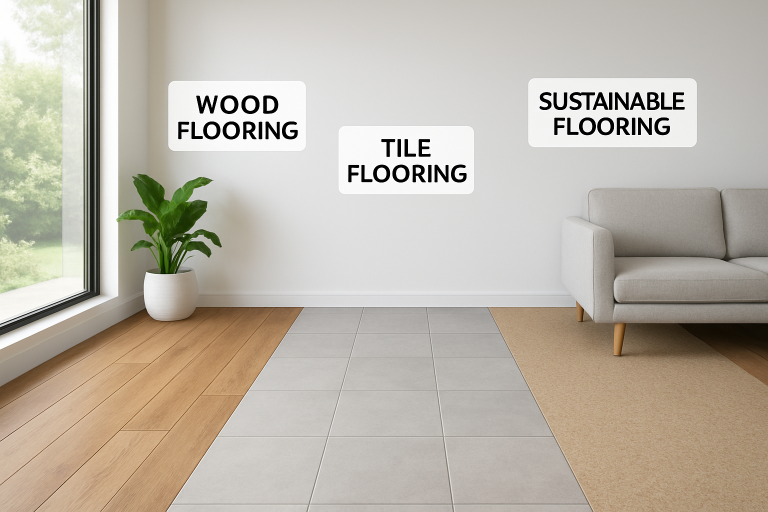
Sustainability has become a central consideration in flooring selection. Today’s eco-friendly choices often employ renewable, recycled, or rapidly regenerating raw materials. For instance, Bjelin’s hardened wood flooring utilizes Woodura technology, which not only maximizes the use of forest resources but also offers three times the strength of traditional wood by fusing solid wood with a tough core. These innovations minimize waste and reduce environmental impact without compromising on performance or appearance.
Bamboo, cork, and reclaimed woods are other favored sustainable materials, valued for their low environmental footprint and ability to bring warmth and natural beauty into spaces. According to The New York Times, demand for green materials remains high among environmentally conscious homeowners, inspiring manufacturers to prioritize transparency and responsible sourcing in their product lines.
Design Trends: Tile Drenching
The emergence of hotel-inspired, spa-like spaces has fueled demand for innovative design treatments, such as tile drenching. This approach involves using the same tile for both floors and walls—creating a seamless visual flow that can make compact rooms feel larger and more immersive. Collections such as Bisazza’s ALMA TADEMA GREEN exemplify how continuity in color and texture can elevate the sophistication of a bathroom or entryway.
Tile trenching offers immense creative flexibility, allowing designers and homeowners to play with bold hues, subtle gradients, or intricate geometric patterns. Not only does this style introduce a sense of harmony, but it can also simplify maintenance, especially when glazed porcelain or non-porous tiles are used.
Acoustic Innovations
With the rise of open-plan living and working environments, noise reduction has become a significant challenge. Flooring manufacturers are addressing this demand with products that mitigate impact and airborne sounds. CFL Flooring, for example, has introduced acoustic flooring solutions featuring underlays and composite layers engineered to reduce noise transmission in busy or multi-level spaces.
These acoustic solutions are particularly valuable in multifamily dwellings, office buildings, and educational facilities, where managing sound is essential to occupant comfort and productivity. Future trends indicate that acoustic technologies will continue to evolve, with a focus on integrating sound absorption with aesthetics and sustainability.
Biophilic Design Elements
Biophilic design is the practice of incorporating natural elements into built environments to improve wellness and mood. Flooring plays a pivotal role in this trend, with materials that echo wood, stone, and other organic textures gaining popularity. Luxury vinyl, engineered wood, and ceramic tiles with nature-inspired patterns and colors contribute to interiors that foster relaxation and a connection to the outdoors.
This trend is particularly prevalent in commercial settings—from hospitality venues to healthcare facilities—where it supports holistic well-being and boosts employee productivity. Studies cited by Forbes indicate that exposure to nature-inspired interiors can significantly enhance cognitive function and mood, making biophilic flooring a smart choice for the modern workplace.
Conclusion
Innovative flooring options are dramatically changing the landscape of modern design by blending resilience, eco-consciousness, and striking aesthetics. From advanced layered materials and sustainable wood technologies to immersive tile drenching and acoustic enhancements, these solutions provide designers and property owners with versatile tools to craft unique and functional environments. By staying abreast of current trends, you can select flooring that not only looks stunning but also meets the practical demands of contemporary spaces.
]]>Introduction to Home Insulation
Every homeowner’s dream is to create a comfortable, cozy living space throughout the year. A significant part of realizing this dream is ensuring your home has proper insulation. Insulation is a barrier against harsh outdoor temperatures and is crucial in maintaining a stable and comfortable indoor environment. More than merely a comfort feature, insulation plays a vital role in energy efficiency. By maintaining consistent indoor temperatures, insulation reduces the reliance on energy-intensive heating and cooling systems. The result is substantial savings on your energy bills, making insulation a cost-effective improvement for homes.
Given the rising cost of electricity and our increased knowledge of our environmental obligations, it is impossible to overestimate the significance of energy efficiency in contemporary homes. Insulation stands at the forefront of this strategy, contributing significantly to enhanced comfort and cost savings.
How Insulation Works
Reducing heat transfer between your home’s outside and inside is insulation’s primary purpose. It accomplishes this by creating a barrier that stops heat movement, keeping your home cooler in the summer and warmer in the winter. Insulation efficiency is typically measured by its R-value, with a higher R-value indicating better thermal resistance and superior temperature control. For more in-depth insights into R-values and their impact on your home, resources like the U.S. Department of Energy provide comprehensive details. Properly insulating garage doors can significantly improve your home’s overall energy efficiency.
Types of Home Insulation
Fiberglass insulation is one of the most popular types of insulation because it is inexpensive and straightforward to install. It is made of fine glass fibers and is renowned for its fire resistance and efficient thermal qualities.
Cellulose insulation, known for its superior soundproofing capabilities, is an eco-friendly choice frequently manufactured from recycled paper fibers. In contrast, spray foam insulation is very good at filling in even the smallest spaces and offers exceptional moisture resistance.
Benefits of Proper Insulation
Appropriate insulation has advantages beyond just lowering utility costs. A properly insulated home provides enhanced comfort by eliminating pesky drafts and uneven room temperatures. Appropriate insulation has advantages beyond just lowering utility costs. Furthermore, using energy more efficiently significantly reduces your household’s carbon footprint, positively impacting the environment. For a more comprehensive look at the advantages of energy efficiency, you can refer to insights from the U.S. Environmental Protection Agency.
Common Insulation Mistakes and How to Avoid Them
Despite its clear advantages, improper insulation installation can lead to several issues, including condensation, mold growth, and decreased efficiency. Common pitfalls include choosing the incorrect materials, failing to cover all necessary areas, or executing a shoddy installation. Assessing your home’s demands in-depth is essential to avoiding these errors, and if you’re a do-it-yourselfer, following reliable recommendations and knowing when to hire a professional can make all the difference.
Innovations in Insulation Technology
Insulation technology continually evolves, with recent advancements producing more efficient and sustainable options. These innovations include environmentally friendly materials that offer superior insulation without sacrificing eco-consciousness. Another exciting advancement is developing innovative insulation systems that adjust to environmental changes. These technologies enhance insulating efficiency and contribute significantly to increasingly stringent sustainability standards, allowing homeowners to enjoy the best of both worlds regarding comfort and environmental responsibility.
Finding Quality Insulation Installers
Finding a trustworthy insulation contractor is essential to guaranteeing the finest outcomes because installing insulation is a process that significantly benefits from professional experience. Ideally, you should look for professionals with proper certifications, ample experience, and positive customer reviews. Getting multiple quotes helps filter out exorbitantly priced services and ensures you receive the best value for your investment. Many insulation installers offer free consultations, which can be valuable in providing explicit insight into what your home needs.
Conclusion: Taking the Next Steps
Investing in proper insulation is a step toward realizing a more comfortable, energy-efficient, and environmentally friendly home. Whether you’re contemplating upgrading your current insulation or starting from scratch, evaluating your options carefully and consulting with professionals to achieve optimal results is essential. In the long run, the advantages of energy savings and enhanced home comfort make insulation a wise and forward-thinking investment.
]]>Key Takeaways
- Modern alarm monitoring systems offer enhanced security and peace of mind.
- The integration of innovative technology allows for remote access and real-time updates.
- Choices in service providers can significantly impact the reliability of monitoring systems.
Introduction to Modern Alarm Monitoring Systems
Safety has expanded to include innovative technologies in today’s digitally connected world. Modern alarm monitoring systems have emerged as a critical component in enhancing security at both residential and commercial properties, offering more than just a simple alert mechanism. These advanced systems now provide:
- 24-7 alarm monitoring.
- Delivering continuous surveillance and immediate alerts.
- Thus transforming the landscape of home and business security.
Such systems are designed to seamlessly fit into our increasingly busy lifestyles, allowing users to monitor their properties remotely and receive real-time updates. By opting for systems that offer 24-7 alarm monitoring, individuals can experience uninterrupted peace of mind, knowing their safety is consistently prioritized without the daily hassle of manual checks.
Benefits of Smart Alarm Systems
The benefits that smart alarm systems offer are substantial and varied, catering to the needs of modern-day users who value convenience, efficiency, and security. The standout feature of these systems is 24-7 alarm monitoring, which enables homeowners and business owners to oversee their security environments from anywhere, at any time, using an internet-enabled device. This capability is critical in maintaining effective surveillance and keeping informed about any potential security threats without needing to be physically present.
- Real-time notifications and alerts: The proactive nature of intelligent systems means that users are instantly alerted to any security events, allowing for timely interventions and reducing the likelihood of damage or theft.
- Integration with smart home devices: These systems often interact seamlessly with other smart home devices, allowing users to automate and control various aspects of home management, from lighting to temperature, enhancing the overall intelligent living experience.
- User-friendly interfaces: Designed with the user in mind, these systems come with intuitive interfaces that are easy to navigate, ensuring that people with varying technical proficiency can effectively manage their security settings.
Choosing the Right Service Provider
With a plethora of alarm monitoring service providers, selecting the right one can be daunting. However, making an informed choice is essential as it directly affects the reliability and functionality of the security system. To begin with, look into the provider’s reputation, which can generally be gauged through customer reviews and testimonials. Be sure to choose a service with a proven history of reliable performance and satisfied customers, as this speaks volumes about the quality of service you can expect.
Additionally, factors such as the quality of customer support, the comprehensiveness of the solutions offered, and the scalability of services should be considered. A good provider provides tailored solutions that meet specific security needs and adapt as those needs evolve, ensuring long-term protection and peace of mind.
Technological Advancements in Alarm Systems
The progression of technology has brought about remarkable improvements in the capabilities of alarm monitoring systems, making them more advanced and reliable than ever before. Integrating artificial intelligence (AI) and machine learning into these systems allows for highly accurate threat detection. It significantly reduces the incidence of false alarms, which are inconvenient and can undermine the credibility of security systems.
For instance, a study featured in Security Magazine reveals that AI-augmented systems can now distinguish between real threats and non-threatening movements with much higher precision, potentially decreasing false alarms by up to 50%. This enhancement ensures users enjoy both heightened security and fewer disruptions.
Impact of Smart Systems on Security
Innovative alarm systems have transformed the security landscape in terms of protection and have influenced how environments are managed. These systems incorporate innovative features contributing to overall home and business management efficiencies. Apart from security, they enhance energy efficiency by allowing users to manage energy consumption smartly.
Additionally, these systems offer a financial incentive for their adoption by potentially contributing to reduced insurance premiums. An article by CNBC emphasizes how these systems’ comprehensive approach to home management is integral to the broader trend of connected living, making them highly desirable among tech-savvy consumers.
Real-Life Applications
Modern alarm systems are utilized in various real-life scenarios. In commercial settings, these systems are crucial for maintaining the safety of employees and protecting sensitive information, which is often critical for business continuity. Families can use these systems in residential spaces to monitor everyday activities, from package deliveries to checking in on children or pets, thus adding an extra layer of comfort and security.
With the increasing reliance on these comprehensive security solutions, homes and businesses are becoming more innovative, thereby enriching privacy protection and quality of life.
Future of Alarm Monitoring Systems
As technology continues to evolve, the future of alarm monitoring systems looks increasingly promising. Integrating the Internet of Things (IoT) and enhanced connectivity ensures these systems become even more versatile and efficient. Upcoming developments promise improved functionality, leading to innovative, safer environments that adapt effortlessly to users’ dynamic needs.
This evolution means that individuals and businesses can look forward to an era where security solutions provide safety and protection and contribute to an integrated, seamlessly connected living experience.
]]>Importance of Pool Maintenance
Swimming pools are not merely a luxury or recreational aspect of properties; they represent an investment in both financial and enjoyment dimensions. Regular maintenance is paramount to safeguard this investment. Without proper upkeep, pools can quickly become breeding grounds for bacteria and algae, affecting health and aesthetics. A diligent maintenance routine can prevent problems while ensuring efficient operation and safety. Leak detection is among the most essential elements of pool maintenance. Catching leaks early can save water and money, preventing more extensive repairs. Additionally, maintaining a pristine pool is an excellent asset for enhancing the overall value of your property, making it more appealing should you decide to put it on the market.
Common Causes of Swimming Pool Leaks
Understanding the root causes of swimming pool leaks can significantly help prevent them. Leaks often result from environmental factors like ground shifts due to soil erosion or seismic activity. Such natural phenomena might stress the pool structure, resulting in cracks that may not be immediately visible but can expand over time. Plumbing issues are another common cause. The intricate network of pipes and hoses that manage the water flow can become susceptible to small leaks, which can go undetected without regular maintenance.
Wear and tear from pool usage and exposure to elements like ultraviolet rays can compromise structural integrity. Over time, the protective layers and surfaces in a pool may deteriorate, leading to vulnerabilities. To mitigate these risks, it’s worthwhile to be aware of structural weaknesses and assess potential problem areas regularly with the aid of a leak detection company. This proactive approach ensures the longevity and functionality of your pool.
Signs Your Pool Might Have a Leak
Detecting a leak early on can save time, effort, and money. Some classic signs indicate potential leaks, such as unexpected drops in water levels that aren’t attributed to evaporation or splash-out. If you notice that you need to refill your pool more often than usual, it might be time to start investigating. Additionally, increased water bills are a financial indication that water is being lost somewhere it shouldn’t be. Physical signs around your property and pool area can also serve as alerts. Cracks in the pool shell or deck, moist spots in the soil around the pool, or even cracked and dried surfaces previously underwater can all indicate something is amiss. Taking immediate action when you observe these signs can prevent further damage and make maintenance efforts much more manageable in the long run.
Routine Inspection Tips
A regular pool inspection schedule can be a game-changer in overall pool health. Begin with creating a checklist that guides you through each part of the pool, from the liner and tiles to the plumbing and filtration systems. Ensure that no component goes unchecked, and remember that consistency is critical to maintaining pool integrity. Pay particular attention to the filtration system, the heart of pool maintenance. It’s responsible for keeping the water clear and debris-free. Any blockage or malfunction can disrupt this process. Regularly inspect filters and pumps for any signs of wear or unusual noise. It’s also a good idea to watch the pool liner for tears or bubbles, which can indicate underlying issues. Taking this proactive, comprehensive approach minimizes the likelihood of unexpected repairs.
How to Handle Minor Leaks Yourself
Minor leaks can often be addressed with some DIY perseverance. For the hands-on pool owner, a range of simple solutions is available, including sealants and repair kits for small leaks. These products often come with user-friendly instructions, making them accessible even for those with minimal technical skills.
The key is promptly addressing these issues before they become more significant problems. An online search can yield many tutorials and guides on managing small-scale pool repairs effectively. Nonetheless, it’s crucial to acknowledge one’s limitations and know when to call a professional to ensure the repairs are secure and lasting.
When to Call a Professional
While some pool issues can be handled with a DIY approach, others necessitate professional intervention. A professional’s expertise becomes invaluable if a leak persists despite multiple attempts to fix it. They bring skill and the right tools and techniques to accurately diagnose and resolve the problem, ensuring no other areas are compromised. Trying to manage persistent or complex leaks on your own might lead to temporary fixes, which can mask more significant issues. By hiring an expert, you guarantee that the underlying problem is tackled, avoiding additional harm and preserving the quality of your pool. Quality professional assistance translates into peace of mind and a high-functioning pool environment.
Selecting a Reliable Pool Service
Finding the right pool service provider can be instrumental in maintaining a healthy pool. Start by seeking recommendations from trusted peers or researching online reviews. Look for certified services with proven track records of reliability and customer satisfaction. Price is always a consideration but shouldn’t be the only one. Evaluate what services are included and how transparent companies are about their service processes and costs. A reputable service provider ensures the technical aspects of pool maintenance and provides valuable guidance and tips on keeping your pool in peak condition.
Expert Tips for a Leak-Free Pool
Experts in pool maintenance often advocate for continuous learning and adaptation of new techniques to ensure a leak-free environment. Staying informed about advancements in pool care can enhance your maintenance efforts. Consider subscribing to industry publications or joining online forums where pool owners and professionals share insights. Building a working relationship with professionals and relying on their expertise can also keep you updated with the best practices. Employing diverse resources enhances the maintenance you deliver to your pool and prolongs its longevity, guaranteeing it stays a source of enjoyment and relaxation for years ahead.
]]>Introduction
Music has always been a significant part of human culture, influencing our emotions, movements, and thoughts. Engaging children with music from a young age enriches their lives and promotes various facets of their development. Encouraging this musical journey can start quickly at home, especially with resources like instructional dance books North America. Simple activities such as playing different types of music during daily routines or having a dedicated ‘music time’ can make a big difference. From creating a musically enriched environment to embracing a variety of genres, parents and educators can foster a deep appreciation for music in children.
The Importance of Music in Child Development
Music has a profound influence on childhood development. It boosts cognitive abilities like memory, focus, and problem-solving skills. Moreover, music can improve emotional intelligence, aiding children in understanding and expressing their feelings more effectively. Socially, music can help children develop better communication skills and foster empathy towards others. Engaging with music can significantly improve children’s cognitive abilities and emotional health. The study shows that musical activities can provide a unique way for children to cope with stress and anxiety, creating a healthier mental environment. Additionally, playing an instrument or participating in a musical group can boost a child’s confidence and self-esteem, which are crucial during the formative years.
Starting at Home: Creating a Musical Environment
Creating a musical environment at home is a beautiful way to nurture a child’s love for music. Start by playing a variety of music genres during different activities throughout the day, from classical music during study time to upbeat tunes during playtime. This exposure to diverse sounds and rhythms helps children develop an ear for different musical elements. Having musical instruments easily accessible can encourage experimentation and spontaneous musical expression. Instruments do not have to be expensive; even simple items like tambourines, maracas, or a basic keyboard can spark an interest in music. Adding music to everyday activities, like singing in the bath or having a family dance night, can help make music enjoyable and a crucial part of your child’s routine.
Introducing Different Music Genres
Introducing children to various music genres is essential for developing a rich musical palette. Each genre offers unique rhythms, melodies, and cultural backgrounds that can captivate and inspire young minds. Start with child-friendly genres such as children’s songs, folk music, or classical lullabies. As children grow, they are gradually introduced to more complex genres like jazz, blues, rock, and world music. Exposure to different genres helps children appreciate the diversity and richness of music, enhancing their ability to recognize and enjoy various musical styles. Additionally, they discuss the history and cultural significance of different genres to provide a broader context and deepen their understanding and appreciation of music.
Integrating Music with Technology
In today’s digital age, numerous technological tools help children explore music. Music apps, streaming services, and online tutorials can make learning about music fun and interactive. For example, apps like Spotify and Apple Music allow you to create playlists of different genres, while educational platforms offer music theory lessons and instrument tutorials tailored for kids. Educational programs highlighted by EdTech Magazine showcase educational programs that demonstrate how technology can be used to establish an innovative learning setting. These resources can introduce children to musical concepts, techniques, and history in an engaging and accessible manner.
Group Activities and Community Engagement
Group activities such as choirs, school bands, and community music programs offer valuable opportunities for children to engage with music socially. These activities help children develop teamwork and collaboration skills, build friendships, and boost confidence. Participating in a choir or band teaches children how to listen to others and harmonize, fostering valuable skills in music and everyday social interactions. Community events like concerts, workshops, and music festivals are excellent ways to expose children to live music and inspire their musical interests. Attending these events can be a family activity that builds lasting memories while deepening children’s appreciation for music. Additionally, local music schools and community centers often offer group classes and music enrichment programs, providing further opportunities for children to explore their musical talents in a supportive and social setting.
Encouraging Instrument Learning
Playing an instrument provides children numerous benefits, including enhancing their academic achievement and emotional balance. Start by exploring different instruments to find one that interests your child. When choosing an instrument, consider the child’s physical attributes, personality, and musical preferences. Encourage regular practice by setting realistic goals, providing positive reinforcement, and celebrating their progress. Creating a structured practice routine can help maintain motivation and ensure steady improvement.
Additionally, finding a good music teacher or enrolling in a music class can provide professional guidance and support, making the learning process more effective and enjoyable. Remember, learning an instrument should be pleasant and not just about mastering technique. Focus on fostering a love for music and self-expression rather than on perfection.
Conclusion
Incorporating music into a child’s life offers many benefits beyond the joy of listening to beautiful sounds. By creating a supportive and explorative musical environment, exposing children to diverse genres, leveraging technology, engaging them in group activities, and encouraging them to learn instruments, parents and educators can instill a lifelong appreciation for music in children. So, take the first step today and watch how music can transform your child’s world. Remember, the most critical aspect is to make the experience enjoyable, nurturing a genuine love and appreciation for the art form in your child’s heart.
]]>Summer is here and the temperatures are rising, which means it’s time to crank up the air conditioning. But before you do, have you considered whether your AC unit needs a thorough cleaning? Over time, dust, dirt, and debris can build up in your AC system, causing it to work less efficiently and even potentially cause health issues. In this article, we’ll discuss five key signs that indicate your AC may be in need of a good cleaning to keep it running smoothly all season long.
Weak Airflow
One of the first signs that your AC needs cleaning is weak airflow. If you notice that your air conditioner isn’t blowing as strongly as it used to, this could be a sign of dirty or clogged air filters. When these filters get blocked with dirt and other particles, they restrict the amount of air that can pass through them, resulting in weaker airflow. This not only means your AC won’t cool down your home efficiently, but also puts extra strain on the system, potentially leading to more serious issues.
To avoid weak airflow and maintain good indoor air quality, be sure to regularly clean or replace your AC filters. This can significantly improve the overall performance of your AC and extend its lifespan.
Unpleasant Odors
Another sign that your AC may need a thorough cleaning is if you notice any unpleasant odors coming from the unit. Over time, mold and bacteria can grow in the moist environment of an air conditioner, especially if it hasn’t been properly maintained. These microorganisms can produce foul smells that get circulated throughout your home when you turn on the AC.
Some common examples of unpleasant AC odors include a musty or damp smell, which can indicate mold growth, and a rotten egg or sewage-like odor, which may be caused by a buildup of stagnant water in the system. If you smell something off, you ought to have your AC cleaned by a professional as soon as possible to prevent any potential health risks. Regular cleaning and maintenance can help keep your AC free from mold and bacteria buildup.
Increased Allergies
If you or your family members are suddenly experiencing more frequent allergy symptoms, it could be a sign that your AC needs cleaning. As mentioned, contaminants like dust and mold can accumulate in an unclean air conditioner and get blown into your home, triggering allergic reactions. To reduce allergy symptoms and improve the overall air quality in your home, schedule regular cleanings for your AC unit to remove any allergens that may have built up over time.
In the meantime, there are a few steps you can take to alleviate allergy symptoms while waiting for your AC to be cleaned. First, make sure to regularly change your home’s air filters and vacuum frequently to reduce dust and allergen buildup. Additionally, using a basement air purifier can help capture any airborne particles that may be causing allergies. If symptoms persist, consult with an HVAC professional to determine the source of the issue.
Strange Noises
While it’s normal for an AC unit to make some noise while running, if you hear any unusual sounds such as grinding, banging, or rattling, this could be a sign of a dirty system. When dirt and debris build up in the air conditioner’s components, they can cause friction and make these strange noises. If you notice any abnormal sounds coming from your AC, it’s best to have a professional inspect and clean the unit to prevent further damage or breakdowns, such as someone from Gusto Service Company.
The duration of strange noises can vary depending on the severity and cause. In some cases, a simple cleaning may eliminate the noise immediately. However, if there is significant buildup or damage to components, it may take longer for the noise to disappear. Try not to ignore strange AC noises and address them promptly to prevent further issues. Regular maintenance and cleaning can help keep your AC running smoothly and quietly throughout the summer season.
Higher Energy Bills
Last but not least, if you suddenly see a spike in your energy bills without making any significant changes to your AC usage, it could be a sign that your unit needs cleaning. When your AC is dirty and clogged, it has to work harder to cool down your home, resulting in increased energy consumption and higher bills.
The best time of year to clean your AC unit is before the peak of summer. It’s ideal to have your AC cleaned and maintained before the hottest months when you’ll be relying on it the most. This can prevent any potential breakdowns or malfunctions during the height of summer, keeping you cool and comfortable all season long. But as always, regular cleaning and maintenance can also help improve energy efficiency, saving you money on your utility bills in the long run.
Keeping your AC clean is crucial for its performance and longevity. If you notice any of these signs, don’t hesitate to have a professional come in and give your unit a thorough cleaning. By taking care of your air conditioner, you can ensure a comfortable and healthy home throughout the summer season. So, don’t wait until it’s too late—schedule a cleaning for your AC today!
]]>The Basics of Heating and Air Conditioning Systems
To strike a balance between comfort and efficiency in your home, it is crucial to have a foundational understanding of your heating and air conditioning system. At its core, this system is responsible for temperature regulation, air circulation, and filtration—critical factors in maintaining indoor air quality. The HVAC system is more than a mere luxury; it’s an intricate network designed to ensure your home is a sanctuary regardless of the changing seasons. Familiarity with its operations permits homeowners to make informed choices that favor both the longevity of the system and monthly energy expenditures.
Improving Efficiency: Best Practices and Tips
An efficient HVAC system translates into lower energy costs and a prolonged lifespan for your equipment. Regularly replacing or cleaning air filters is a critical yet straightforward task that can prevent your system from overexerting itself. Beyond this, investing in insulation, weather stripping, and double-paned windows can dramatically reduce the loss of conditioned air, allowing for more consistent and efficient operation. Moreover, your home’s orientation and the HVAC system’s size play significant roles in efficiency; thus, these factors should be considered during construction or renovations.
Seasonal Maintenance: Ensuring Peak Performance Year-Round
Each season comes with a unique set of challenges for your heating and cooling system. The scorching days of summer, the chill of winter, and the allergens of spring and fall all test the capabilities of your HVAC system. Seasonal maintenance is thus pivotal in preempting potential problems. Scheduling professional tune-ups, cleaning the system’s components, and checking for inefficiencies before extreme weather hits can spare you from discomfort and the added stress and cost of emergency repairs. These proactive measures help maintain an economically and environmentally savvy home.
Smart Homes and Climate Control: Utilizing Advanced Technology
Advancements in technology have vastly expanded the capabilities of home climate systems. Today’s smart thermostats can be programmed to adjust to your daily schedule and adapt to your preferences over time and optimize climate control accordingly. This technological leap grants homeowners unprecedented control over their living environments, often leading to notable energy savings. Homeowners can now wield their smartphones as remote controls, adjusting settings from anywhere, thus ensuring a welcoming environment upon arrival while avoiding the costs associated with running systems unnecessarily.
Cost Vs. Comfort: Balancing Your Heating and Cooling Budget
While everyone prefers a comfortably heated or cooled home, the expense of achieving this comfort can be a concern. Yet, one can achieve a harmonious balance between cost and comfort through strategic choices in energy usage and system operation. Investing in a high-efficiency HVAC system may have a higher upfront cost, but the savings on energy bills will be noticeable in the long run. Implementing a zoned climate control system, which allows different areas of your home to be heated or cooled based on their use, can further contribute to managing expenses. The key lies in making informed choices and investing in improvements that yield the best return for comfort and energy savings.
Selecting the Right Equipment for Your Home
When selecting new HVAC equipment or replacing aging units, careful consideration will ensure you pick the optimal system for your unique needs. It’s imperative to consider factors such as the square footage of your home, the typical climate of your region, and the efficiency ratings of potential new systems. Furnaces and air conditioners that are too large for your home will cycle on and off more frequently, increasing wear and tear and driving up energy costs. Conversely, units that are too small may need help to reach desired temperatures, leading to continuous operation and equally inefficient energy use.
Environmental Considerations in Climate Control
As climate concerns become increasingly paramount, the impact of our home climate control choices is more significant than ever. Environmentally considerate systems help reduce your household’s carbon footprint and represent a sustainable investment in the long run. By selecting equipment with an Energy Star certification, homeowners can ensure they are choosing high-efficiency models that contribute to energy conservation and lower utility bills. Renewable energy solutions, such as solar panels, can complement your HVAC system and shift your energy dependence away from fossil fuels, providing clean, cost-effective power.
Professional Services vs. DIY: When to Call in the Experts
Maintaining an HVAC system is similar to caring for a car. While some tasks can be done by the owner, dealing with refrigerant leaks or electrical faults requires a professional. Recognizing the limits of one’s expertise is crucial for safety, and identifying when to employ a trained technician is critical for the efficient operation of your HVAC system.
Exploring resources such as Energy Star’s guidelines is highly beneficial for delving deeper into HVAC efficiency and maintenance. The Environmental Protection Agency (EPA) offers valuable information to help you better understand indoor air quality and its connection to your HVAC system. These resources provide in-depth insights that empower homeowners to make informed decisions about their home climate systems.
]]>