In today’s rapidly evolving industrial and commercial environments, the drive to optimize every facet of operations is more pressing than ever before. Technological advancements, automation, and Lean methodologies attract significant focus, but some of the most important improvements start with the fundamentals. One seemingly simple yet often overlooked component that can dramatically shift workplace dynamics is the caster. These small but essential devices play a critical role in improving workflow, enabling safe and ergonomic transportation, and keeping daily routines running smoothly. Choosing suitable casters doesn’t just boost overall workplace efficiency; it can also help create a safer, quieter, and more ergonomic space for your team. For organizations truly aiming for peak workflow and safety, the array of high-quality mobility solutions available, such as Albion casters, should be central to equipment planning and investment.
Casters frequently work behind the scenes and are rarely at the forefront of facility upgrades or maintenance meetings, yet their impact can be seen in countless day-to-day tasks. These components are integral to quickly and safely moving everything from equipment and heavy machinery to supply carts and mobile workstation desks. Whether you need to transport equipment across vast warehouse aisles, move heavy loads in a manufacturing facility, or navigate medical carts in a hospital, the right caster reduces manual effort, improves load control, and reduces overall downtime. When equipment rolls smoothly and reliably, team members save time, avoid fatigue, and are less likely to sustain strains or injuries.
How casters influence a workplace extends far beyond mobility alone. They also present nuanced, often hidden, advantages—quiet operation, ergonomics, and long-term cost savings being among the most significant. Something as subtle as upgrading a traditional caster to one made of new, more durable, or specialized material can have a huge cumulative effect. Swapping out aging or improperly specified wheels reduces floor damage, decreases maintenance needs, offers a quieter glide, and prevents costly interruptions. Strategic enhancements like these enable workplace leaders to achieve measurable performance gains without having to overhaul entire floor plans or invest in expensive upgrades. For companies committed to operational excellence and striving to distinguish themselves in competitive markets, attention to detail can make all the difference. Caster selection and ongoing maintenance are crucial pieces of information. When thoughtfully considered, they can measurably improve overall workplace performance, worker satisfaction, and even customer impressions.
Understanding Caster Types and Their Applications
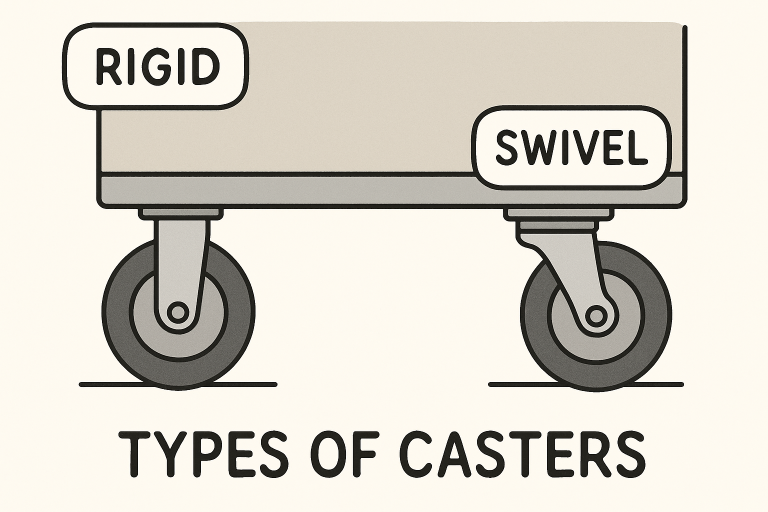
Not all casters are created equal; they come in a range of shapes, sizes, and configurations, each meticulously designed for particular tasks and operational demands. Rigid casters allow only a straight, linear motion, making them the perfect choice for applications where directional consistency is essential, such as when moving platform trucks or row-based storage carts in large, open spaces. Swivel casters, meanwhile, feature a design that permits 360-degree rotation, granting users far greater maneuverability and flexibility, even in tight or crowded environments. This characteristic proves highly valuable for hospital equipment, office furniture, and retail displays, where quick, precise navigation is required.
In many cases, the optimal workplace platform combines both rigid and swivel casters to strike a balance between stability and agility. By mounting rigid casters at the back and swivel casters at the front, teams gain both straight-line stability for longer moves and the flexibility to make tight turns or react to obstacles. This dual-caster arrangement delivers the precision necessary for a consistent workflow and the adaptability needed to manage unexpected real-world challenges. By understanding the strengths, limitations, and ideal use cases of each type, facilities managers can make informed decisions that align with their site’s unique workflows and physical layouts.
Noise Reduction and Employee Comfort
One of the most common yet frequently underestimated complaints in busy workplaces, particularly in warehouses and healthcare environments, is excessive noise. Wheels rolling across hard floors, metal carts moving over seams, or poorly maintained casters squeaking can all contribute to a distracting and uncomfortable environment. Excessive noise not only interrupts workflow but can also contribute to long-term hearing health issues and increased employee stress levels. Casters specifically designed for noise reduction can be a game-changer. With specialized tread materials like rubber or polyurethane, some advanced casters can significantly reduce rolling noise, sometimes dropping workplace sound levels by as much as 15 decibels. This reduction is enough to create a calmer, more focused space without sacrificing the mobility upon which efficiency depends. Such improvements are especially crucial in collaborative office settings, hospitals, and high-traffic commercial environments, where concentration and clear verbal communication are critical to productivity and safety. Interested readers can consult resources such as OSHA to understand better how noise control positively impacts both worker safety and satisfaction.
Enhancing Safety with Ergonomic Caster Solutions
Modern ergonomic caster solutions put workplace safety at the center of their design. Equipment fitted with motorized casters or advanced low-resistance wheels reduces the physical effort required to maneuver heavy or awkward loads. As a result, repetitive stress injuries, slips, and back strains are far less common, leading to a healthier workforce and less downtime from injuries. Reducing push and pull forces also lowers the risk of incidents where carts get stuck or swing unexpectedly, another major source of workplace accidents. Many companies find that these ergonomic upgrades have a direct impact on productivity, as employees can complete tasks faster and with greater confidence, knowing that their tools will support safe movement. Moreover, ergonomic casters help contain workers’ fatigue, keeping physical strain to a minimum and reducing long-term absenteeism.
Investing in ergonomic caster solutions stands as a smart financial decision, too. Occupational injuries and workplace accidents are major contributors to lost workdays and compensation claims. Proactively addressing these risks through equipment upgrades creates a safer work culture, boosts morale, and positions the organization to attract and retain top talent. The focus on ergonomic improvements yields not just a stronger safety record but also measurable financial returns for businesses across all sectors.
Maintenance Practices for Longevity
Establishing a routine maintenance program is one of the most impactful ways to extend the lifespan and enhance the performance of your casters. A regular schedule should include cleaning debris and buildup from wheels and frames, lubricating bearings and swivels, and inspecting for treads that are wearing thin or flattening out. Periodic checks should also focus on fasteners; tightening bolts and replacing worn hardware helps prevent unexpected failures that could bring critical operations to a halt. A preventive, rather than reactive, approach results in more consistent caster performance, better protection of facility flooring, and fewer interruptions from unexpected equipment breakdowns. Facilities that implement proactive caster maintenance often find that their budgets stretch further, as they experience fewer costly repairs and replacements over time.
Adapting Casters to Specialized Environments
No two workplaces are exactly alike, and environments ranging from sterile healthcare settings to demanding industrial sites each have their own unique caster requirements. For example, hospitals and laboratories demand casters that can be sanitized frequently without degrading, as they must resist the abrasions and harshness of disinfectants. On the other hand, factories and warehouses require heavy-duty casters that withstand the rigors of constant use, heavy-weight loads, exposure to grease, oil, or other chemicals, and the realities of rough or uneven surfaces. Choosing the right caster materials and configurations for a specific environment ensures performance, cleanliness, and reliability day after day. Investing wisely in purpose-built casters also reduces the risk of operational setbacks, workplace hazards, and long-term wear and tear that can jeopardize facility safety and productivity.
Conclusion
Paying close attention to caster selection and maintenance delivers significant rewards for today’s workplaces. From promoting ergonomic safety and reducing excessive workplace noise to adapting to the unique needs of specialized environments, investing in the right caster solutions can truly transform daily operations. By treating casters as a vital part of workplace infrastructure rather than an afterthought, businesses can set themselves apart from the competition. This strategic approach cultivates an environment that is not only efficient but also safe, comfortable, and responsive to employees’ ever-evolving needs. Ultimately, thoughtful investments in mobility drive productivity, reduce costs, and lay the groundwork for long-term success.